Press Releases 2nd September 2020
Caring for Each Other; Caring for God’s Creation: A guide to promoting a fairer and more sustainable world
Caring for Each Other; Caring for God’s Creation: A guide to promoting a fairer and more sustainable world
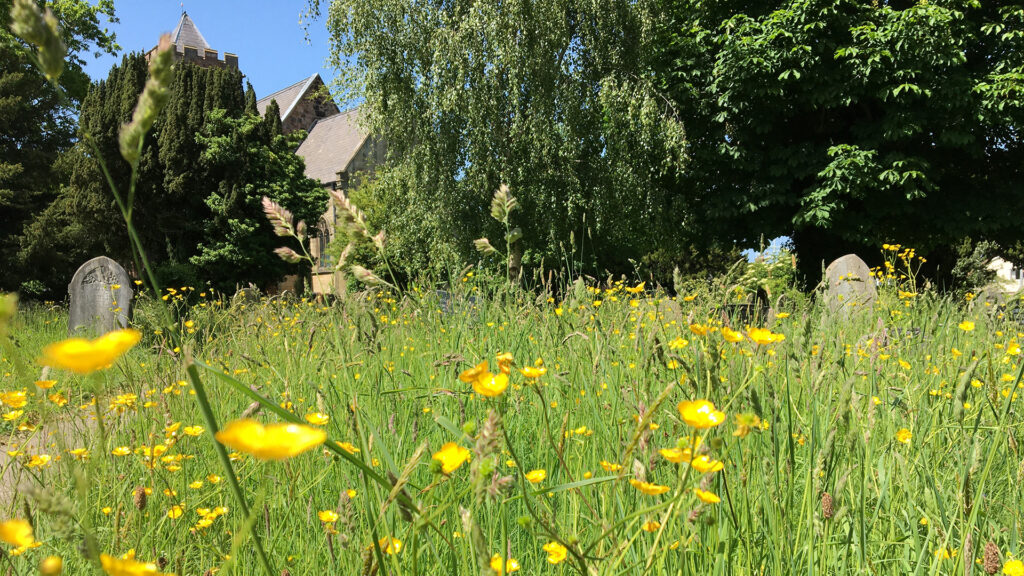
Creating wildlife areas, reducing waste, opting for low carbon energy and buying FairTrade are all being recommended to encourage churches in the Diocese of St Asaph to become more eco-friendly.
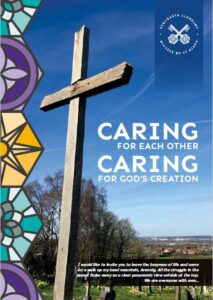 To coincide with Climate Sunday (6 September) the Diocese of St Asaph is launching a new bilingual booklet with ideas on how churches and congregations can make small changes to the way they live, work, shop and worship. Caring for Each Other; Caring for God’s Creation will be used to guide churches towards making changes which contribute to a fairer and more sustainable world. It will also celebrate the good work already underway.
The booklet will kick-start a year focusing on creating Eco-Churches and achieving recognition of this with an official designation from the Christian charity Arocha UK. It will run alongside Climate Sunday, a year-long campaign ahead of the COP26 climate meeting in 2021.
 Caring for Each Other; Caring for God’s Creation is a collaboration between the diocese’s Churches Inspector, Michael Plane and its Engagement Officer, Sarah Wheat. It opens with a meditation from a member of the Diocesan Youth Forum from Bala. Josef Griffiths reminds readers that: “…it is clear we are not stewarding as we should, and the whole world is suffering.”
Josef goes on to say: “We have received immeasurable love from our faithful Father and Creator, let us reflect this love and worship Him by protecting His planet.”
Caring for Each Other; Caring for God’s Creation asks questions about a church’s use of land, its buildings, how it reflects environmental issues in its worship and teaching and whether its congregations engage with local food producers and Fairtrade products.
Michael Plane said: “Caring for Each Other; Caring for God’s Creation poses simple questions to help congregations improve the eco-credentials not only of their building and land but also their own lifestyles. We know our choices can make a real difference in the world and it is important that churches have those conversations and make informed decisions. This booklet will also acknowledge and celebrate the good work already taking place in our churches.
“But this isn’t just for churches, it’s for all of us. As a diocese we’ll be looking at how we can embed environmental awareness into every policy. This could include things like buying Fairtrade tea and coffee, changing to a renewable energy supply and banning unnecessary travel.”
Sarah Wheat added: “We know that many people in our churches are already passionate about these issues and want to see a fairer and more sustainable world. Having experienced weeks of lockdown, with limited opportunities to travel and a focus on shopping locally, we hope some of the benefits people saw during this time will continue as life resumes alongside Coronavirus. This guide is designed to encourage those conversations in communities and enable all of us to make wise decisions.”
Caring for Each Other; Caring for God’s Creation is written in Welsh and English and is available to download. A limited number of bilingual hard copies are available from the Diocesan Office in St Asaph.
The Diocese of St Asaph has 214 churches across north-east and mid-Wales from Llandudno Junction in the west to Newtown in the South. In addition, it looks after seven Pilgrim Churches which (in usual times) are open every day to pilgrims, tourists and visitors. The diocese has 51 Church Schools and is part of the Church in Wales, an independent Province of the worldwide Anglican Communion.